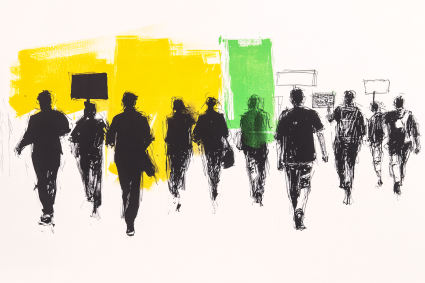
How Legal Systems Quietly Shape Everyday Life


Most people think about law only when something goes wrong. A contract, a dispute, or a serious problem. In reality, legal systems shape daily life in quiet ways. This article looks at how rules, regulations, and legal structures influence ordinary choices.
We focus on housing, work, relationships, and personal security to show how deeply law is woven into everyday experience.
Why people rarely notice the law when it is working
When systems function well, they fade into the background.
People sign leases, accept jobs, and use digital services without thinking about the legal frameworks behind them.
Those frameworks define what is allowed, what is protected, and what happens when things break.
Basic legal structures are explained by the U.S. government and similar public institutions worldwide.
Invisible rules that guide behavior
Many daily actions are shaped by contracts and regulations.
Most people never read them.
How housing laws affect stability
Rent, ownership, and eviction rules decide where people can live.
They shape security more than most personal choices.
Housing law information from HUD shows how policy affects affordability and access.
Why employment law matters for mental health
Workplaces are governed by legal standards.
They define wages, hours, and protection from abuse.
Without these rules, power would shift strongly toward employers.
Labor protections are outlined by the U.S. Department of Labor.
Rights that most workers never use
Many protections exist on paper.
They are only real when people can access them.
Family law and personal security
Marriage, divorce, and child custody are legal structures.
They influence relationships in practical ways.
Family law shapes how people plan their lives.
Digital life and hidden legal power
Online platforms operate under terms and regulations.
These rules affect privacy, speech, and ownership of data.
Guidance from the Federal Trade Commission explains how consumer rights apply online.
Why understanding the law gives people more control
Legal knowledge does not require being a lawyer.
It requires knowing where rules exist.
That awareness allows people to make safer choices.
Seeing the system more clearly
Law is not distant.
It is part of everyday life.
When people understand it, they feel less powerless.